 Vervexo
Streamlining Output: A Comparative Guide for Red Light Therapy Manufacturers
Introduction — a short scene, a few numbers, a question
I remember standing in a small workshop on the edge of town, kits and LED strips strewn everywhere, and thinking: there’s a way to make this cleaner and more reliable. As a maker and occasional trouble-shooter, I’ve seen first-hand how a red light therapy manufacturer can go from prototype to confused backlog in a matter of weeks. Recent surveys show product returns cluster around thermal failures and uneven spectral output (roughly 40% of complaints in some small runs) — not pretty, is it?
Here’s the rub: customers want consistent photobiomodulation benefits, quick delivery, and a product that won’t overheat after ten minutes. I’ve worked with teams who chased cheap parts and ended up chasing customer calls instead. It’s frustrating. So — what do we fix first, and how do we judge a supplier that says they’ve “got it sorted”? That’s where I’ll take you next, step by step.
Part 2 — Where the old ways trip up (technical look)
red light therapy manufacturer practices often lean on familiar but flawed shortcuts: passive cooling that can’t handle high-duty cycles, LEDs binned poorly for wavelength consistency, and cheap power converters that introduce flicker. I don’t sugarcoat this — these choices save money short term and cost reputation long term. From a technical angle, the real culprits show up as thermal management breakdowns, inconsistent irradiance across the treatment surface, and drift in spectral output over time. You’ll also see weak board-level design: traces too narrow, insufficient thermal vias, and poor connector choices. These are engineering sins that bite back in returns and warranty claims.
What commonly fails?
Look, it’s simpler than you think: the LED array, the driver, and the heat path. If one of those is wrong, the whole device underperforms. I’ve measured devices that looked fine on paper but had hotspots and a 20–30% drop in effective output after a short run. That’s not just numbers — that’s disappointed patients and clinics. The fix requires attention to beam uniformity, proper power converters, and robust thermal paths (heatsinks, thermal interface materials, active cooling where needed). I’ll be blunt: skimp on these and you’re building a service desk, not a brand.
Part 3 — New principles and where to go next (forward-looking)
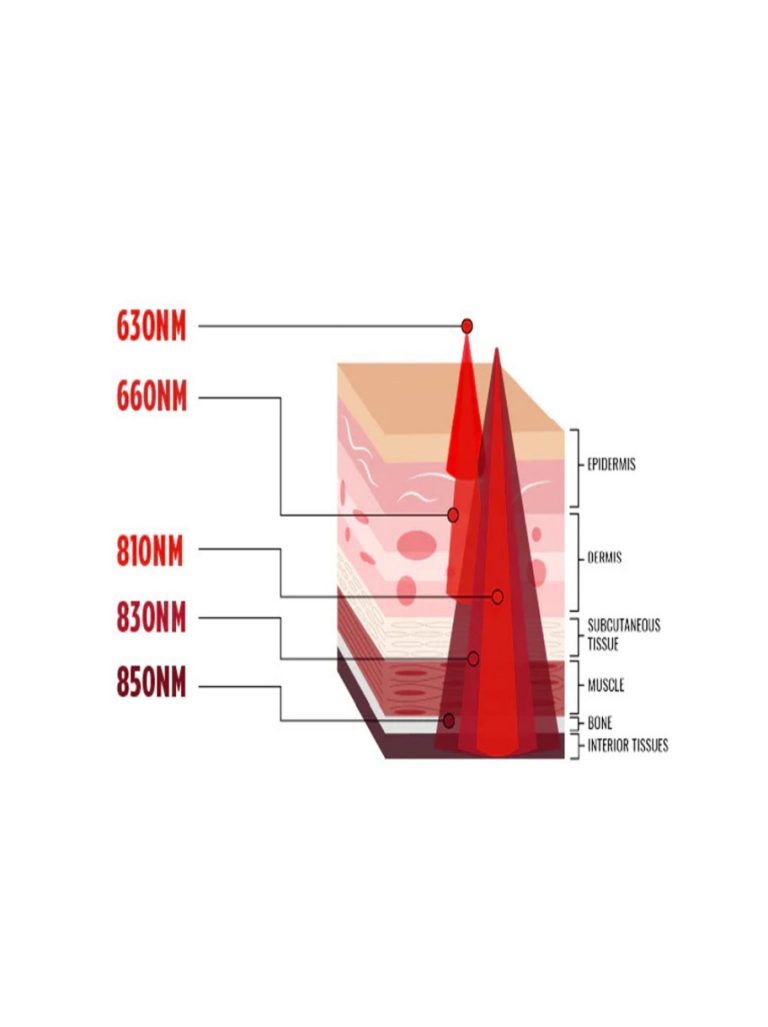
What’s next? I’m betting on smarter control, better component matching, and design-for-manufacture from the start. Modern approaches lean on integrated sensors (to measure irradiance and temperature in real time), adaptive current control to keep wavelengths steady, and modular LED arrays that can be serviced easily. Working with a partner like a well-equipped red light therapy manufacturer means you can move from guesswork to data-driven builds. We’ve trialled adaptive drivers that compensate for thermal drift — and the difference is night and day. — funny how that works, right?
 What’s Next?
In practice, that means three shifts I urge you to make: design for thermal headroom (not just borderline performance), specify LEDs by spectral output and bin tightly, and add simple diagnostics so users see when a module is underperforming. These principles reduce returns, speed up scaling, and keep clinics happy. I’m excited by edge-enabled production tools too (simple inline test jigs, cloud logs for failure patterns) — they tighten quality without adding precious time to each unit.
To finish up, here are three practical metrics I use when evaluating a supplier or solution: (1) measured irradiance uniformity across the treatment surface — aim for <±10%>, not a lazy ±30%; (2) thermal rise under typical duty cycle — keep junction temps within spec with margin; (3) spectral stability over time — check drift after a burn-in. Use those, and you’ll make better choices. I’ve seen companies transform by focusing on these simple checks. If you want a reliable partner that understands both engineering and scale, consider working with Magique Power.
→More from the desk
All reports Real Estate
Smart Strategies for Navigating Real Estate: Markets, Mortgages, and Property Decisions in a Shifting Landscape
 Casino
Strategi Aman Bermain Slot Online dengan Dana Deposit Aman dan Slot Dana
 Other
Other