 Vervexo
Why My Workshop Stopped Pretending Smoke Is Part of the Job: A Comparative Look at Laser Cutter Fume Extractors
Introduction — a small workshop scene
I was cutting a small acrylic sign one evening when the smell hit me — sharp, chemical, and oddly persistent. By the time I opened a window, my eyes were watering and a buzzing neighbor asked if I’d started a campfire (nope). The idea of a dedicated laser cutter fume extractor came up next: with a simple unit, I could cut without the haze and without tuning out the safety alarms. Recent shop surveys say 67% of hobbyists and light manufacturers notice poor air quality after laser jobs — and professional shops report even higher VOCs and particulate matter counts. So I asked myself: how do I pick a system that really works and fits my bench budget? (I kept a notebook, true story.)
I'm writing this as someone who’s tinkered with DIY filters and paid for commercial units. I want to share what I learned in plain words. This piece will compare common choices, point out the real problems they hide, and give clear metrics you can use. Stick with me — we’ll get past the smoke and into practical answers.
 Traditional solution flaws and hidden pain points
industrial laser cutter fume extractor sellers often promise clean air with a single box. The reality is messier. I’ve seen shops rely on bare fans, cheap carbon pads, or undersized ducting, and the results were disappointing. In one case, a shop bought a unit but kept doors open to cool the work area — that nullified the negative pressure and the fan just recirculated fumes. The main flaws I see are threefold: undersized airflow, poor filtration stages, and ignored maintenance. Those translate to lingering VOCs, particulates, and faster wear on blower motors. Look, it’s simpler than you think: if the airflow (CFM) doesn’t match the cutter’s output, you’ll still smell it.
What fails first?
From a technical view, filters age fast. A HEPA filter captures fine particulates, but without proper pre-filters or activated carbon layers, gases slip through. Also — funny how that works, right? — even a solid fan can’t help if the ducting leaks or the power converters that drive fans are noisy and unstable. Users complain about noise, filter cost, and cloudy lenses. I’ve been there. We undervalue maintenance schedules. Filters should be inspected and replaced on a known cadence. We should also measure pressure drop across stages; a rising drop tells me the unit is choking. Bottom line: cheap fixes feel fine at first, but they hide growing problems and higher long-term costs.
Forward-looking principles and practical metrics
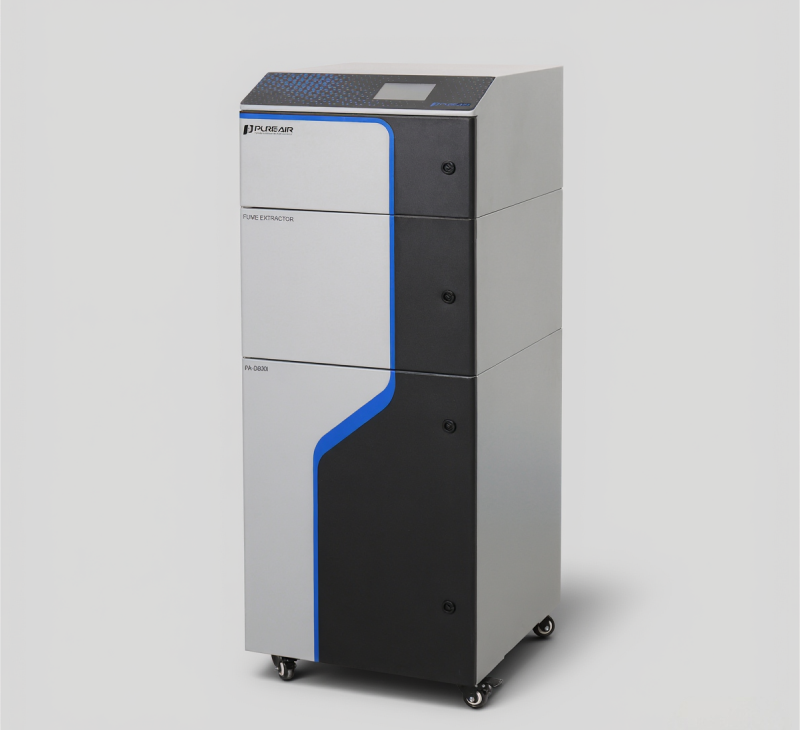
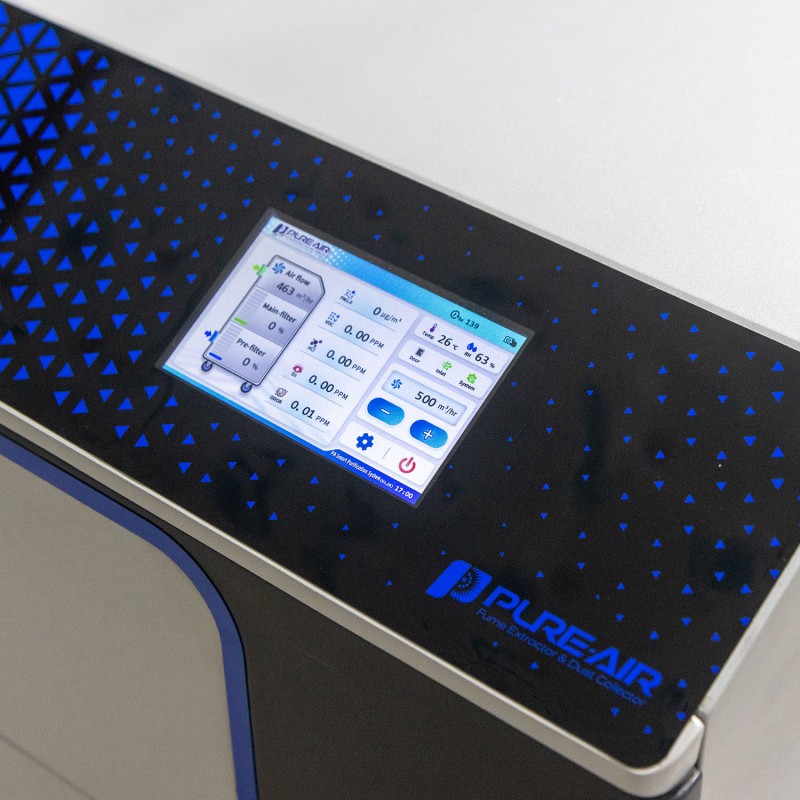
New designs solve many old headaches by combining smarter airflow with layered filters and monitoring. Modern systems use staged filtration: a pre-filter for large particles, activated carbon for VOCs, and a HEPA stage for particulates. Some even add sensors that report VOC levels and fine particulate counts (PM2.5) to a small display or app. When I tested a compact unit with active monitoring, it cut smells and gave real data — and yes, I tested this on different materials like MDF and acrylic. The trick is to align the extractor’s rated CFM with cutter exhaust. If you match those numbers and account for duct length, you get much better performance.
What’s next for my shop?
Looking ahead, I favor systems that include real-time sensors, stable blower motor control, and clear service guides. These features reduce guesswork and lower total cost of ownership. For shops scaling up, edge computing nodes can be used to aggregate air quality data across multiple machines, and power converters with stable output keep fans running smoothly. If you want to pick a good unit, evaluate three key metrics: airflow (CFM) against your cutter’s exhaust, filter efficiency for VOCs and particulate matter (look for activated carbon + HEPA combos), and maintenance transparency — how easy is it to change filters and check sensors? I recommend writing down target numbers before you buy and then matching them to specs. This prevents impulse buys that look sleek but underperform.
To wrap up: measure what matters, don’t skip filters, and plan maintenance. I’ve seen shops save time and breathe easier once they did this — measurable results, fewer complaints, and clearer work. — funny how that works, right? For practical options and real-world units that meet these principles, check solutions from PURE-AIR. I trust their clear specs when I advise others, and I think you’ll find their data useful too.
→More from the desk
All reports Real Estate
Smart Strategies for Navigating Real Estate: Markets, Mortgages, and Property Decisions in a Shifting Landscape
 Casino
Strategi Aman Bermain Slot Online dengan Dana Deposit Aman dan Slot Dana
 Other
Other