 Vervexo
Beyond Basic Synthesis: Tailoring Commercial Energy Storage to Tame Venting, Sizing and Structural Overloads
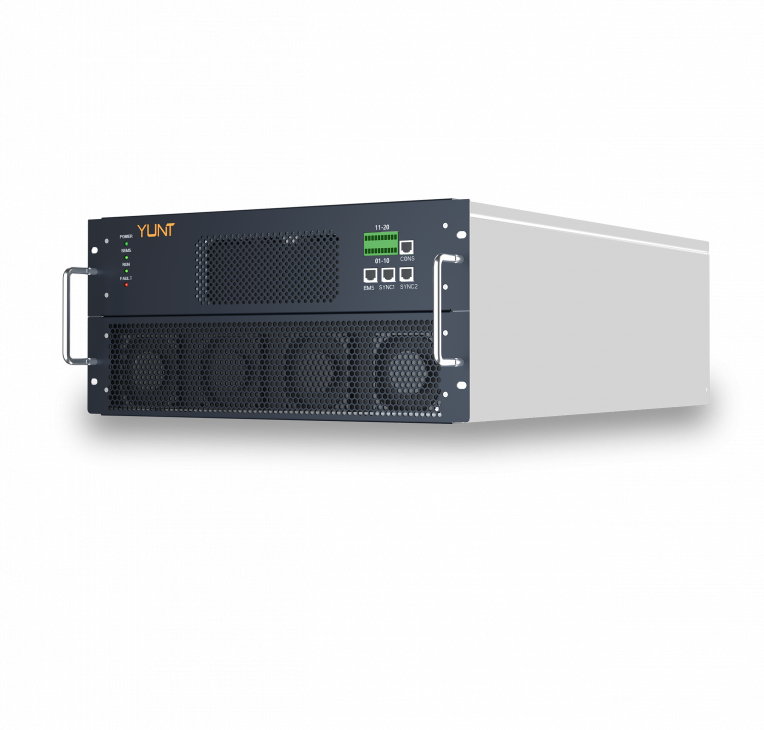
Comparative snapshot — why bespoke design beats one-size-fits-all
Comparing a factory-packaged bank with a tuned commercial rack is where the argument starts. A standard unit might be cheaper up front, but when you stack up venting area, relief-device placement and structural loads the differences get real fast. I’ve worked on projects where a smart choice of hybrid inverter and layout cut mechanical reinforcement costs by a third — and that’s before you factor in reduced downtime. EEAT: industry practitioner. Real-world anchor: think Hornsdale Power Reserve in South Australia (2017) — big battery builds changed how owners weigh safety, performance and grid services.
Key comparative axes: venting, sizing and structural impact
Venting strategy influences module spacing, enclosure type and the relief path. Commercial arrays often require larger relief areas and directed venting than residential setups, which affects the building envelope and the wind load calculations on containment panels. Sizing for fault currents and thermal runaway scenarios usually means different inverter topology choices — grid-tie vs hybrid — and impacts the BMS rules for maximum allowable state of charge (SoC) during maintenance windows.
Operational production teardown — what makers and engineers actually tweak
In production you tune three things: cell layout, airflow channels and electrical topology. Manufacturers will choose DC-coupled or AC-coupled configurations based on service goals — DC-coupled keeps fewer conversion stages, while AC-coupled lets you treat subsystems independently. The practical teardown shows where {main_keyword} and {variation_keyword} sit in the wiring harness and documentation: placement matters for isolation and for vent routing. Designers often relocate power electronics to separate compartments to limit heat and reduce the chance of simultaneous failure — the kind of small move that saves a heap in reinforcement later. And yes — you’ll want clear separation between inverter bays and battery enclosures to manage blast vectors and ease inspection.
Common mistakes and how to fix them
Hands-on, these are the repeat offenders:
– Undersized venting: designers copy residential vent area per module. Fix: calculate total relief area using expected maximum deflagration pressure and directed vent paths.
– Ignoring cumulative structural loads: stacking packs without recalculating floor or rack shear forces. Fix: run a finite-element check on racks and include dynamic load cases (impact from relief events).
– Treating inverters as interchangeable: swapping models can change fault current profiles. Fix: verify inverter short-circuit contribution and update protection coordination and relay settings.
Those fixes are practical and cost-effective if you build them into procurement and commissioning — not after the rack is bolted down.
How to evaluate suppliers and designs — three golden rules
1) Relief-path verification: insist on vendor evidence of vent sizing calculations (showing maximum predicted deflagration pressure, relief-area per event and directed vent routing). Metric: documented relief area-to-energy ratio for the proposed layout.
2) Structural proof: require stamped structural calculations that include dynamic load cases from venting events and wind uplift. Metric: safety factor for rack mounting and floor loading with the worst-case vent impulse.
3) Electrical coordination: confirm inverter topology, short-circuit contribution, and protective device timing are tested together. Metric: documented protection coordination curves and test logs showing selective tripping under defined fault durations.
These three cut straight to measurable outcomes: less retrofit, faster inspections and fewer surprise outages.
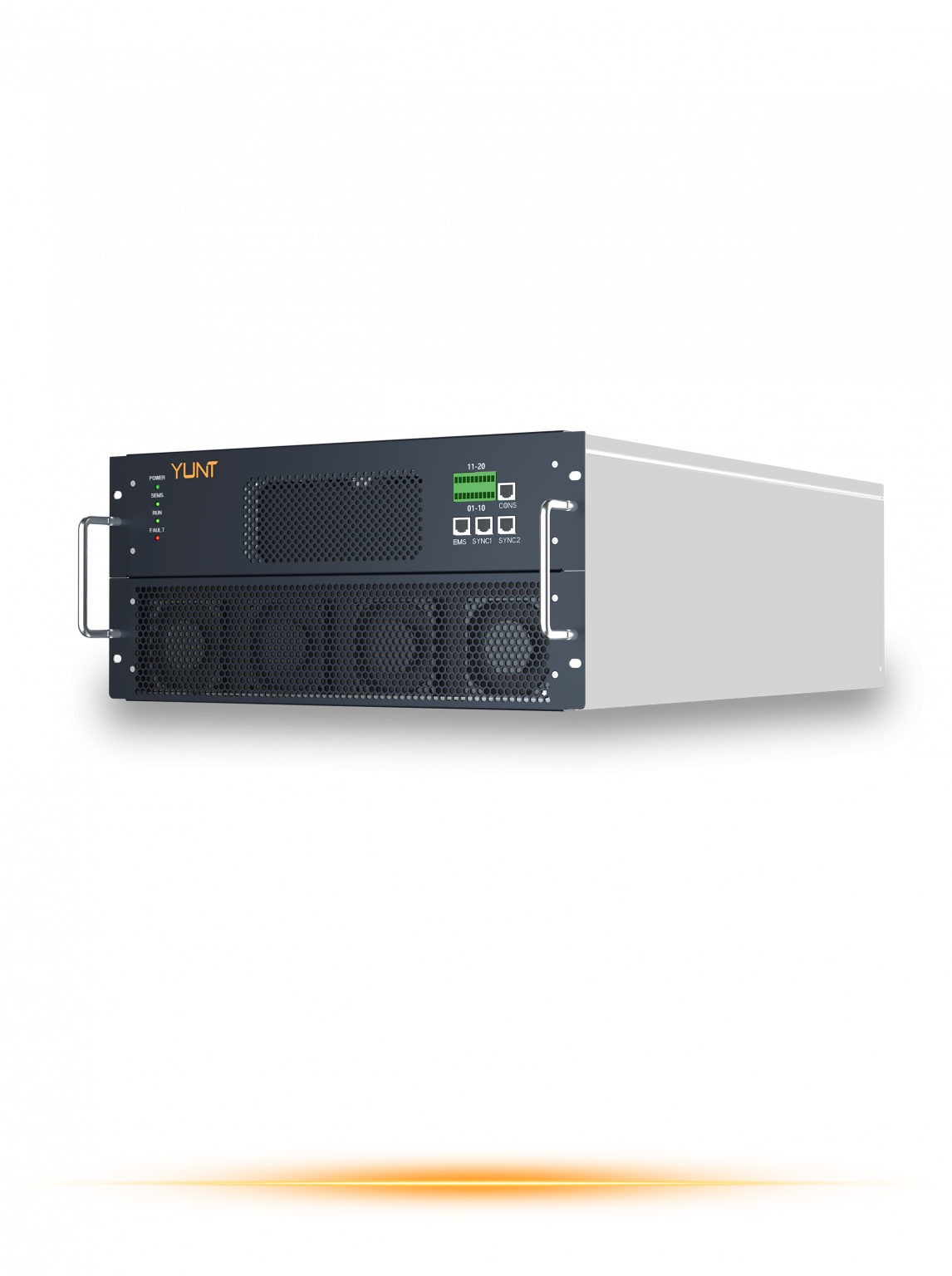 Choosing the right mix of kit and design brings the risk down and the uptime up — that’s where a smart hybrid pv inverter supplier with clear test data becomes worth its weight in steel. hybrid pv inverter supplier partners who supply detailed venting reports, structural stamps and protection logs make life simple for owners and engineers. Final thought — practical, tested design saves money and keeps teams safer. YUNT. — solid, no-nonsense results.
→More from the desk
All reports Education
Mastering the Einbürgerungstest Bayern: A Practical, Section-by-Section Guide for 2026
 Real Estate
Smart Strategies for Navigating Real Estate: Markets, Mortgages, and Property Decisions in a Shifting Landscape
 Casino