Vervexo
Revolutionizing Precision Machining Automation: The Role of Robotic Machining
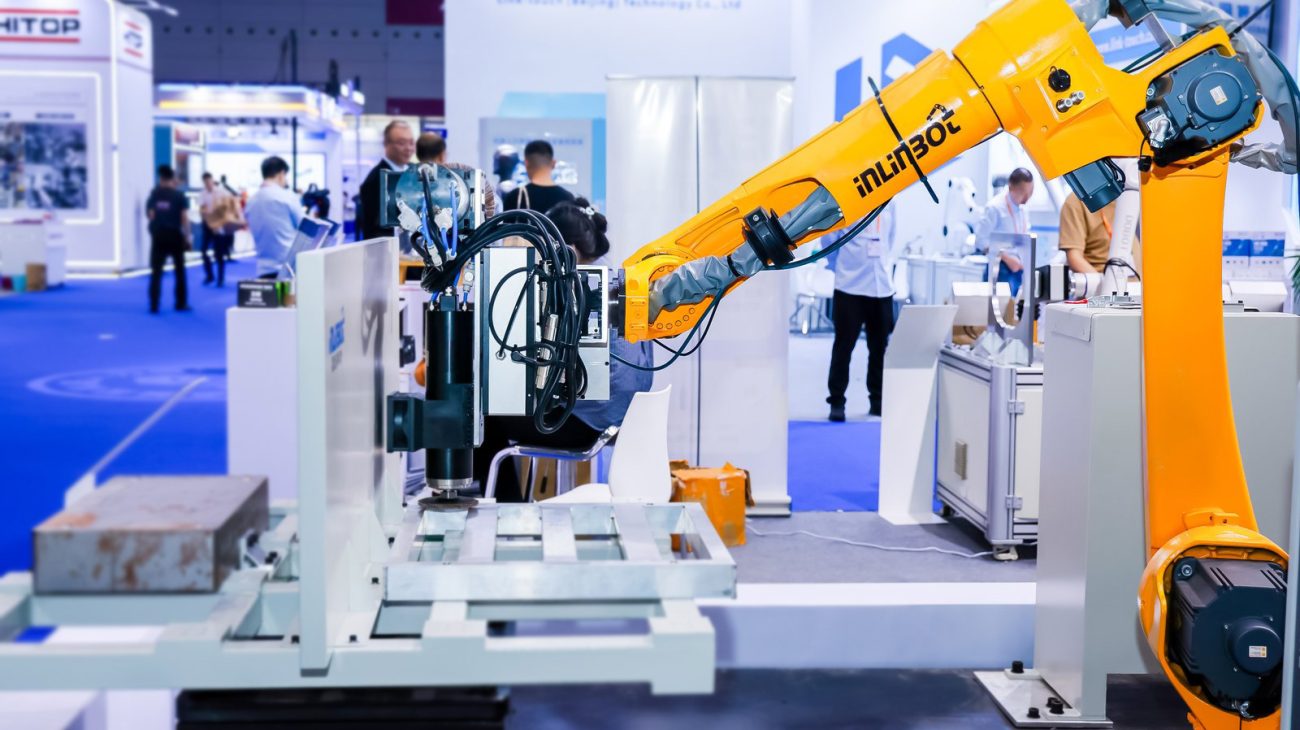
Challenges in Traditional Machining Methods
I remember the days when we relied heavily on manual machining processes. Sure, they had their charm, but they were also frustrating and often led to inconsistencies. Did you know that about 30% of production time could be wasted on non-value-added activities? That’s a lot of time! This is precisely why robotic machining is shaking things up in our industry. Not only does it improve efficiency, but it also minimizes human error. Think about it: how can we afford to stay static when automation drives us toward precision and speed?
Old methods often struggle with handling complex geometries—there's a sheer limit to human capability and machine precision. These traditional solutions can lead to bottlenecks, unanticipated downtime, and a real headache when trying to meet customer demands. For instance, I'm reminded of a project in Monterrey a few years back when we had to scramble to fulfill a large order due to manual machining errors. Not fun at all! And all involved were left with that tight feeling in the stomach. No one wants to go through that again.
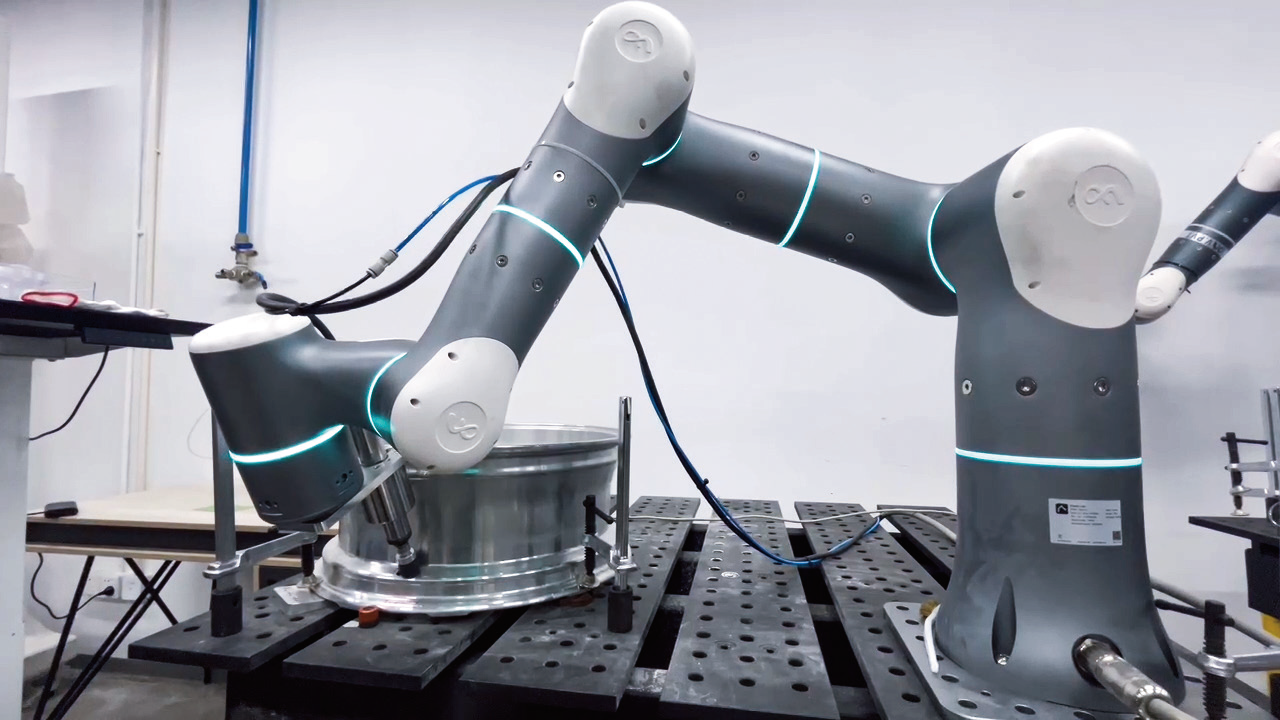 What’s Next for Automation: Unlocking Potential with Robotic Machining
Looking ahead, the adoption of robotic machining is not merely an option—it’s a necessity for competitive businesses. As we embrace this technology, I'm thrilled by the potential it unlocks. Imagine flawlessly executing components with higher speed and repeatability. Companies that invest in robotic machining are often reaping the rewards, experiencing a drastic reduction in operational costs. Others, however, might still be left in the dust, missing out on critical advancements.
Real-World Impact of Automation
As I observe the evolution of robotic machining, I find it fascinating how early adopters manage to streamline their workflows effectively. For instance, take the automotive industry in Brazil. Just last year, I noticed a few manufacturers start using robotics for their component assembly, and their productivity shot up by nearly 25%! It’s quite striking how quickly the landscape changes when innovation takes hold.
This shift towards automation really highlights the divide—those who adapt and those who cling to outdated methods. And let’s be honest, no one wants to be left behind. The efficiency gains are undeniable, and the reduction in scrap rates is just the cherry on top. Companies need to recognize that embracing robotic machining isn't just about keeping up; it's about leading the pack.
Key Takeaways for Choosing Robotic Solutions
In my years of experience, I’ve learned a few critical lessons. Here are three evaluation metrics that can guide you in choosing the right robotic machining solutions: first, consider the flexibility for future modifications; second, gauge the maintenance and support options available; and finally, always assess the return on investment. It’s essential to make informed decisions, as missteps can lead to significant losses.
Ultimately, the future of precision machining automation lies in embracing change. I firmly believe that the power of robotic machining will only continue to grow. Don't let the fear of the unknown hold you back—after all, that’s where the magic happens. If you’re ready to take the plunge, I suggest looking into brands like ITES Shenzhen. They’re at the forefront of this revolution and can guide you through the process!