Vervexo
Smart Gardening and Home Improvement: Practical Ways to Harmonize Interior Comfort with Outdoor Growth
A practical guide to blending interior styling with outdoor gardening, choosing durable decor, and leveraging smart tools for home improvement.
Foundations of a Cohesive Home and Garden Space
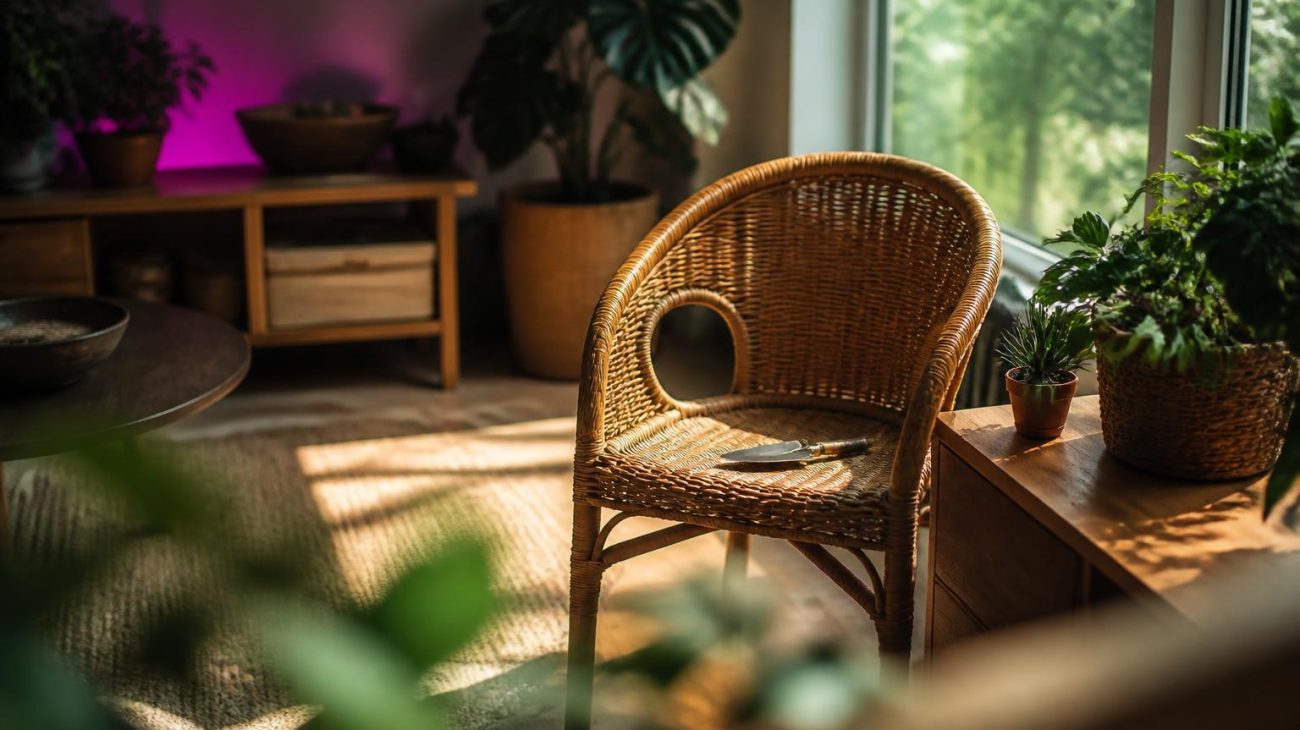
Creating a harmonious home and garden begins with clear intention and measured steps that tie interior comfort to outdoor growth. Start by mapping zones: a cozy seating area, a low-maintenance patio, and defined plant beds that echo the color palette inside. Consider lighting that flatters both spaces, ensuring pathways glow after dusk without overpowering seasonal foliage. For precise planning, use practical tools and trusted measurements to guide every choice, from furniture scale to plant spacing. laser scanning equipment can help visualize layout changes before breaking ground.
Pairing thoughtful décor with resilient gardening begins with materials that weather heat, cold, and humidity. Choose textures that repeat in cushions, planters, and outdoor rugs, reinforcing a unified look. Emphasize removable covers and modular pieces to adapt to changing seasons or new interior trends. The goal is to weave home improvement ideas into the garden, so what you see on shelves is echoed in the beds and borders outside, creating a seamless transition between indoors and out.
Choosing a Color Story that Works Indoors and Outdoors
Color decisions should unify both interior decor and outdoor plantings, not confine you to a single room or season. Start with a calm base—soft neutrals or pale blues—and layer in accents that bloom in the garden as the year progresses. Use planters, cushions, and drapery in the same palette, so seasonal flowers appear as natural extensions of the indoors. A restrained palette keeps spaces feeling larger while allowing swaps of vibrant blooms to refresh the scene without expensive redecorating.
Introduce contrast through texture rather than hue alone to maintain visual interest across environments. Think matte ceramic pots against glossy tile backsplashes or woven outdoor rugs near smooth wood decking. When you garden, choose foliage with varied textures—feathery grasses beside broad-leaf perennials—to mirror tactile variety found in interior furnishings, anchoring the decor with a tactile rhythm that travels between rooms and borders.
Smart Tools for Efficient Home Improvement and Gardening
Modern homeowners increasingly rely on practical tools that save time while improving outcomes in both interior projects and garden maintenance. A multi-function drill, a laser measure, and a compact blower can accelerate tasks such as shelf installation, fence repair, or bed edging. Invest in battery-powered equipment to reduce cord clutter and increase safety while you transform spaces. Regular tool maintenance prevents downtime and prolongs the life of essential gear for future DIY projects.
Incorporate automated systems that maintain soil moisture, monitor light, and regulate irrigation with precision. A simple rain sensor can prevent overwatering, while a smart timer ensures plants receive consistent watering despite busy days. For interior spaces, consider smart plugs and climate controls to maintain comfort during seasonal transitions. These devices contribute to a calmer home environment and encourage you to pursue ongoing home improvement and gardening efforts with confidence.
Gardening with Native Plants for Easy Maintenance and Local Beauty
Selecting native species reduces maintenance while supporting local ecosystems and climate resilience. Native perennials typically require less water, fewer pesticides, and thrive with regional rainfall patterns, helping you keep a low-maintenance garden that still offers year-round interest. Combine flowering natives with evergreen structure to maintain visual appeal in winter, creating a dependable backbone for both front-yard curb appeal and interior decorating schemes inspired by nature.
Plan a layered garden that includes ground cover, mid-height shrubs, and a few specimen trees to frame views from inside the home. Use consistent pebbled pathways and mulch to control weeds and conserve moisture. By designing with natives, you align outdoor spaces with interior design goals such as clean lines and uncluttered sightlines, reinforcing a cohesive aesthetic that spans home improvement projects and daily gardening routine.
Lighting as a Bridge Between Interior Comfort and Exterior Charm
Lighting should create a seamless narrative from living room to patio. Indoor fixtures can be echoed with weather-resistant outdoor lamps that wrap around seating areas, columns, or garden paths, producing a continuous glow. Layer light by using ambient, task, and accent options, ensuring the mood remains balanced whether you’re entertaining guests indoors or enjoying a quiet evening outside. Thoughtful lighting enhances safety, usability, and atmosphere across spaces.
Consider seasonal lighting shifts: warmer temperatures may favor soft amber tones indoors, while cooler whites can illuminate pathways outside. Use dimmers to modulate brightness, enabling intimate evenings or bright daytime layout reviews. A well-lit garden at dusk becomes an extension of interior storytelling, strengthening decor cohesion and supporting ongoing home improvement ambitions with practical, atmospheric illumination.
Seasonal Refreshes: Updating Decor Without a Full Overhaul
Seasonal refreshes offer a cost-effective route to rejuvenate both interior spaces and garden dynamics. Replace a few cushions, swap window treatments, and rotate seasonal planters to reflect the latest decor while maintaining a stable core color story. Small updates like new outdoor sculpture or a different herb display can dramatically alter the mood without the expense of a full remodel.
Preserve budget by tackling a few high-impact tasks, such as refreshing a fence, staining a deck, or upgrading a drip irrigation line. These improvements protect and enhance the home-garden relationship, ensuring ongoing alignment between interior comfort and exterior vitality. Seasonal planning keeps you motivated to maintain steady progress across both realms, turning routine maintenance into a series of stylish, practical upgrades.
Sustainable Practices that Honor the Home and Garden
Incorporate sustainability into every project by choosing durable, repairable materials and prioritizing water-wise gardening. Recycled or responsibly sourced planters, low-VOC paints, and energy-efficient outdoor lighting reduce environmental impact while supporting long-term enjoyment of spaces. Sustainable choices also educate guests and family members about responsible decorating and gardening habits, reinforcing your home improvement ethos with tangible outcomes.
Compost scraps and collect rainwater where feasible to reduce waste and irrigation costs, feeding soil biology rather than relying solely on synthetic additives. Create a simple composting area hidden from public view but accessible for ongoing garden renewal. By aligning interior decor with eco-friendly practices, you reinforce a lifestyle where gardening, decor, and interior comfort coexist in a thoughtful, resilient ensemble.
Texture and Finishing Touches
- Layer textures with woven fabrics, stone, and wood to unify spaces.
- Use reflective surfaces sparingly to bounce light between rooms and the garden.
- Choose durable, weather-ready materials for outdoor decor that still feels refined indoors.