Vervexo
Smart Landscaping: Practical Home Garden Upgrades for 1- to 2-Acre Lots
A practical guide to thoughtful home garden upgrades, blending interior-style decor with outdoor living and smart maintenance for large lawns.

Smart planning for expansive lawns
Designing a sustainable landscape begins with a clear plan that blends function with aesthetic appeal. Assess sun exposure, soil health, water availability, and existing trees to map zones for planting, pathways, and seating. A well-considered layout reduces maintenance time and elevates curb appeal, turning your outdoor space into an extension of home improvement goals while keeping maintenance practical and enjoyable. For larger properties, consider the rhythm of lawn, mulched borders, and native plant beds that support local wildlife and require less water. For a deeper look, see robot lawn mower 1 acre.
As you draft zones, think about how weather patterns influence plant choices and durability. Choose drought-tolerant perennials for hot summers, and group plants with similar water needs to simplify irrigation. A smart irrigation plan minimizes waste and ensures even moisture distribution, while durable materials for edging and paths resist wear over years of use. This approach keeps your exterior polished, cohesive, and ready for seasonal entertaining.
Equipment and automation
- Consider a robotic option for large lawns to reduce mowing time.
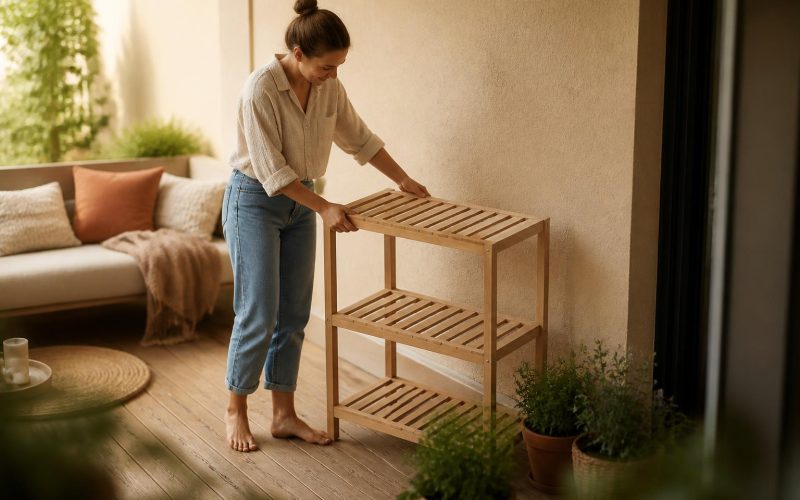
- Choose weatherproof storage for tools and seasonal decor.
- Incorporate automated lighting to highlight features and improve safety.
Soil health and planting beds
Soil health underpins vigor in both edible and ornamental beds. Begin with a soil test to gauge pH, nutrient balance, and organic matter levels. Amend with compost and aged mulch to improve structure, drainage, and moisture retention. A well-balanced bed reduces plant stress and supports robust root systems, which translates into healthier growth with less need for chemical fertilizers. This careful approach aligns with everyday home improvement and sustainable gardening practices.
Design planting beds that provide year-round interest while supporting pollinators. Layer textures with grasses, shrubs, and flowering perennials to create seasonal color. Use edging to define space clearly, but keep paths wide enough for comfortable access. Mulch several inches deep to suppress weeds, regulate soil temperature, and maintain moisture, ensuring your beds look neat through every season.
Water-wise gardens and irrigation
Efficient irrigation is the backbone of a low-maintenance landscape. Start with a zone-by-zone plan that accounts for sun exposure, wind, and soil type. Drip irrigation delivers targeted moisture to roots, reducing evaporation and keeping foliage healthier. Pair irrigation with rain sensors to prevent overwatering and align with water-use restrictions, a practical home improvement move that respects resources and lowers utility bills.
Mulch plays a crucial role in moisture conservation and weed suppression. Apply a 2-4 inch layer around beds, keeping mulch away from stems to prevent rot. Regularly inspect irrigation lines for leaks and adjust the system as plants mature. A water-wise garden not only saves resources but creates a calmer, more manageable outdoor space that complements interior design choices and decor themes.
Hardscapes that invite lingering outdoors
Hardscapes like patios, pathways, and seating areas anchor a garden and define usable space. Choose materials that resist weathering yet feel comfortable underfoot, such as textured concrete, natural stone, or permeable pavers. Layout should encourage flow from door to seating, with shade and shelter for comfort across seasons. Thoughtful hardscaping improves property value and invites everyday moments of relaxation, echoing refined interior decor principles in an outdoor setting.
Lighting and furnishings transform a bare deck or patio into an inviting room of the outdoors. Layer lighting with warm-toned fixtures, path lights, and accent uplights to highlight trees and sculpture. Weatherproof furniture and cushions provide cozy seating areas for conversation, meals, or quiet reading. By balancing form and function, you create exterior spaces that mirror the comfort and style you cultivate inside the home.
Low-maintenance decor that travels outdoors
Decor inspiration can seamlessly migrate from interior walls to garden walls and fences. Use durable, weather-resistant finishes and textiles that echo your indoor palette while withstanding sun and rain. Define focal points with artful sculptures or planters that coordinate with your home’s accent colors. A cohesive decor strategy strengthens the sense that the garden is an extension of living spaces, not a separate project.
Incorporate greenery as decor by choosing architectural plants with strong vertical lines, like upright perennials and grasses, to create sculptural forms. Soften hard lines with cascading vines or a living wall in sheltered spots. Regular maintenance of decor elements—cleaning, rust prevention, and seasonal rotation of pots—keeps the garden feeling curated and aligned with interior aesthetics.
Edible landscaping and seasonal harvests
Edible landscaping blends beauty with practicality, turning curb appeal into a source of fresh produce. Plan for raised beds or compact fruiting shrubs near accessible entrances for easy harvests. Integrate herbs along walkways or near the kitchen garden to provide aromas and flavor at your fingertips. This approach makes home improvement feel tangible as your landscape contributes to daily meals and reduces grocery trips.
Succession planting ensures a continuous harvest across the growing season, even on larger lots. Start with cool-season crops and rotate into heat-tolerant varieties as conditions shift. Use trellises for beans and cucumbers to maximize space, while keeping pathways clear for maintenance. Edible landscaping adds function without sacrificing beauty, reinforcing a balanced, home-focused garden that owners can truly enjoy year-round.
Care routines and seasonal rhythms
A consistent maintenance schedule preserves health and beauty across all garden areas. Create a simple calendar that marks pruning windows, fertilization days, and mulch replenishment. Routine checks on irrigation, pest activity, and structural elements prevent problems from escalating. This disciplined approach to care aligns with ongoing home improvement and interior upkeep, ensuring the landscape ages gracefully alongside the home.
Seasonal tasks bolster resilience: prepare for storms, protect tender plants, and refresh mulch to maintain aesthetics. Keep a tool inventory and near-term replacement plan so gear is ready when needed, reducing downtime. By weaving maintenance into daily life, you preserve the garden’s vitality and welcome family moments in a space that feels thoughtfully tended.