Vervexo
Smart, Sustainable Gardening: A Practical Guide to Home Improvement Outdoors and Indoors
A concise guide blending gardening routines with interior-friendly decor and practical home improvement tips for a cohesive living space.
Planning Your Outdoor and Indoor Garden Space
A thoughtful approach to gardening begins with a clear plan that links outdoor beds, pathways, and sheltered indoor plant corners into a cohesive whole. Start by assessing sunlight, soil quality, and drainage, then map zones for vegetables, flowers, and herbs. Consider seasonal color and texture to maintain appeal year-round, while keeping maintenance realistic for busy schedules and changing weather patterns. To manage hedges and borders efficiently, you may want to explore the options for a durable, reliable tool such as an electric hedge trimmer that balances power with quiet operation.
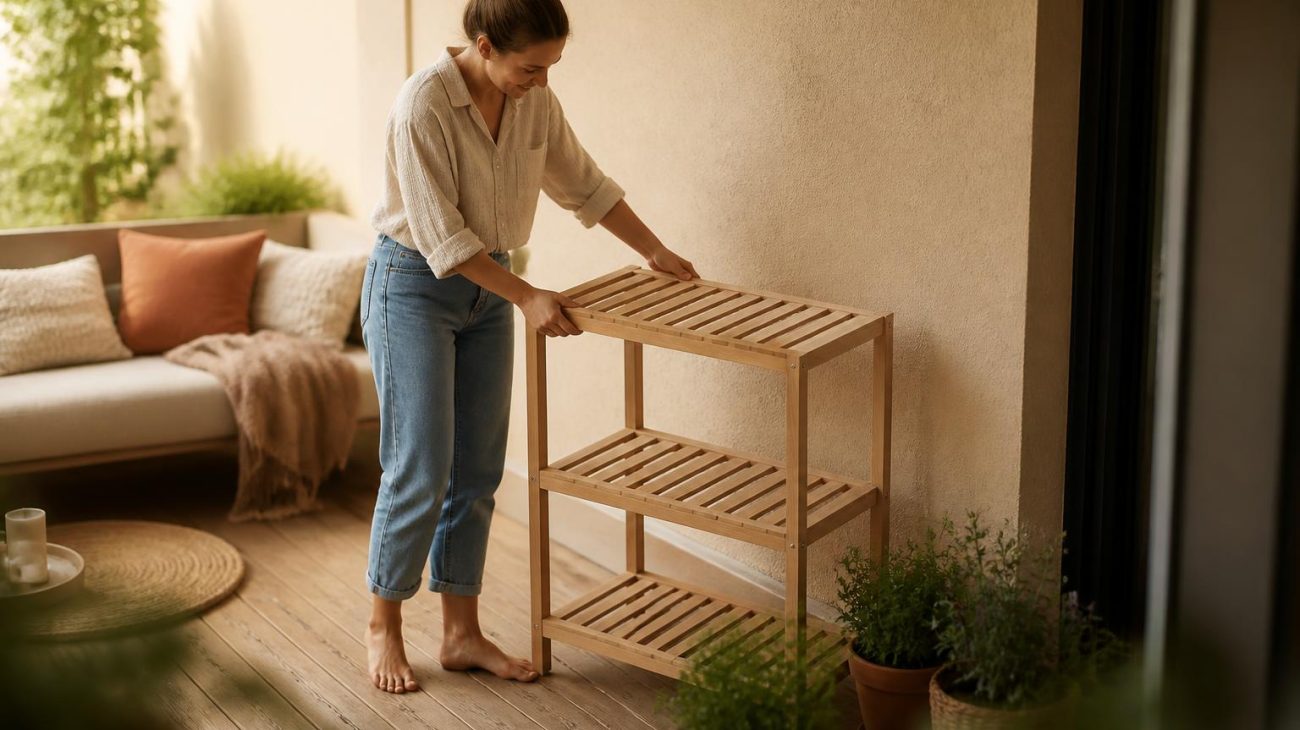
Incorporating indoor elements that echo the garden helps unify the space, making interior rooms feel connected to the outdoors. Use potted plants on shelves and windowsills to create living accents that improve air quality and mood. Plan a simple color palette inspired by garden blooms—sage greens, soft neutrals, and warm wood tones—to ease transitions between decor and plant life, ensuring a calm, inviting home environment that supports everyday home improvement goals.
Soil, Compost, and Plant Nutrition
Soil health is the foundation of thriving plants, whether you’re cultivating vegetables on a kitchen balcony or flowering perennials in a sunlit bed. Start with a soil test to determine pH and nutrient levels, then amend with organic compost and aged mulch to build structure and microbial activity. Regular mulching reduces weed pressure, conserves moisture, and enriches the growing medium, creating resilience that supports a wide range of crops with minimal synthetic input over time.
Understanding nutrient cycles helps you tailor feeding schedules to plant needs, promoting robust roots and vibrant foliage. Use slow-release fertilizers for long-lasting nutrition and supplement with liquid feeds during critical growth spurts. Keep a simple garden log to track amendments, harvests, and pest issues, turning every growing season into a practical home improvement project that yields tangible rewards.
Watering Strategies for Real-Life Climates
Efficient watering is essential in conserving resources while keeping plants healthy in varied climates. Install a rain barrel to capture runoff, then connect a drip irrigation line that delivers moisture directly to the root zones. A simple timer helps you maintain consistent schedules while you’re traveling or juggling other chores, reducing stress on your irrigation system and your plants alike.
Consider plant grouping by watering needs and microclimates, such as sunlit corners versus shaded borders. Group drought-tolerant species together and keep a separate zone for moisture-loving specimens. Mulched beds retain moisture, suppress weeds, and stabilize soil temperature, making water stewardship a routine part of your home improvement mindset and gardening practice.
Structures and Pathways: Form Meets Function
A garden needs structure to guide movement and create visual rhythm, from trellises and arbors to stepping stones and seating nooks. Choose materials that complement your home’s exterior and interior accents, ensuring a seamless transition between spaces. Well-placed paths invite exploration, while sturdy benches and shade zones invite lingering moments of rest amid greenery and scent.
Seasonal features like outdoor lighting, moveable planters, and modular screens can adapt the space through changing weather and decor preferences. Use durable, low-maintenance materials such as treated timber, metal, or composite decking to withstand weather and heavy use. Thoughtful design reduces upkeep and increases the time you spend enjoying the garden and nearby interior views.
Integrated Decor: Bringing Nature Inside
Interior decor benefits from living greenery, which softens angles, adds color, and improves air quality. Create a micro-ecosystem by pairing ferns with bright blooms, and place larger statement plants in corners to anchor rooms. Use decorative containers that reflect your home’s style, balancing height, texture, and color for a cohesive, inviting atmosphere that supports daily well-being.
When space is limited, vertical gardens or wall-mounted planters offer bold statements without crowding floors. Choose planters in materials that echo other furnishings, such as woven textures or matte ceramics, to knit together interior and exterior themes. Thoughtful decor choices make your home feel expansive and connected, even in snug urban settings.
Maintenance Habits for Longevity
Establishing a simple, repeatable maintenance routine keeps both garden and interior spaces looking fresh throughout the year. Schedule weekly checks for irrigation, pruning, and pest signs, and plan monthly soil and mulch refreshes to sustain soil health and plant vigor. A small, organized toolkit—scissors, trowel, pruners—reduces friction when you tackle tasks, turning big jobs into approachable chores that fit a busy lifestyle.
Seasonal tasks such as seed starting, bulb planting, and compost turning reward consistency with healthier ecosystems and more vibrant displays. Document lessons learned from pests, weather events, and harvest yields to improve next year’s plan, turning experience into practical wisdom for ongoing home improvement and gardening success.
Seasonal Transitions: From Dormant to Dynamic
Seasonal transitions require planning and flexibility to maintain momentum in both garden and decor. Start by rotating containers and displays to reflect seasonal colors, while trimming back perennials as needed to encourage fresh growth. Mulching ahead of cold snaps reduces frost heave and protects roots, supporting resilient plants through shifting conditions.
Stock up on adaptable tools and supplies that handle changing weather, including pruning shears, winter mulch, and pest controls that suit your environment. A simple rotation of decor items—throw pillows, outdoor textiles, and garden ornaments—keeps the space feeling refreshed, aligning interior vibes with garden dynamics for a harmonious, durable home environment.
Texture and Contrast in Two Quick Tips
- Combine glossy foliage with matte planters for visual interest that doesn’t overpower a room or outdoor corner.
- Pair natural wood tones with cool stone accents to balance warmth and structure in limited spaces.